【Japanese Muji Style】6 Key Tips to Create a Japanese Muji-Style Home!
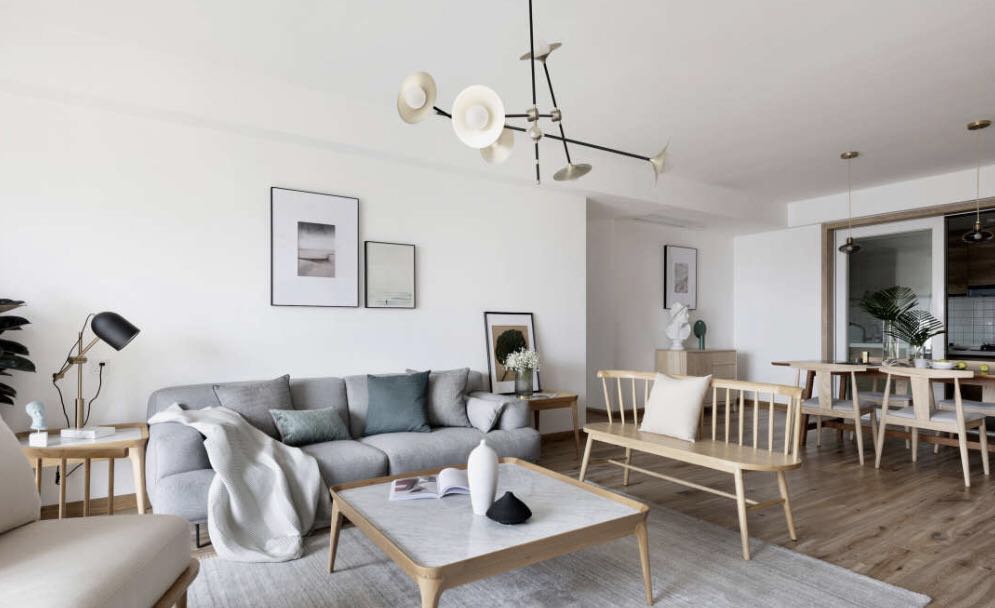
When thinking of Japanese-style interior design, most people associate it with terms like "Japanese-inspired" or "Muji-style." Regardless of the desired interior design style, the primary focus should be on unifying the style and avoiding excessive mixing and matching, otherwise, the house will appear discordant. Additionally, when purchasing furniture for a Japanese-style interior, the design tends to be understated and features lower-profile pieces, allowing for a clear view of the entire home at a glance. If you are keen on Japanese-style interior design, here are 6 key suggestions from the editor to help your room blend with nature, achieving a simple, aesthetically pleasing, and unique look.
Japanese Interior Design Tip 1: Lighting

Japanese interior design emphasizes natural simplicity, making use of natural light as much as possible, with ceiling lights serving as auxiliary illumination. Avoid making the room excessively bright with too many lights. Japanese interior design should pay attention to color balance; for light-colored interiors, use incandescent lights to create a soft, warm, and bright environment. For windows, consider using floor-to-ceiling windows with white or beige curtains. If lighting is properly managed, when natural light streams into the home, the wooden furniture will display the softness and luster of wood, enhancing the warm feeling of the home.
Japanese Interior Design Tip 2: Materials

Japanese interior design often incorporates more wooden furniture or materials, avoiding metal materials and overly elaborate designs, which is a key aspect of this style. The best furniture choice leans towards natural wood, specifically raw wood furniture treated only with clear varnish. Recommended materials for Japanese interior design include bamboo, slate, tatami mats, glass, and paulownia wood, as these are more likely to convey the Japanese concept of coexisting with nature.
Japanese Interior Design Tip 3: Color Scheme

Japanese interior design avoids vibrant colors, focusing instead on purity. The interior design color palette leans towards white, black, beige, and light gray, with a touch of light green and light yellow for accent. However, if you want to choose some colored furniture, we recommend browsing Japanese furniture websites to find pieces that are not plain-colored. When selecting furniture, pay attention not only to color but also to choose low-profile, understated designs. When purchasing, you also need to consider whether it can blend with the house's decor and other furniture, otherwise, it may look out of place.
Japanese Interior Design Tip 4: Sliding Doors (Japanese Sliding Doors)

In Japanese-style rooms, sliding doors are more common than traditional wooden doors because wooden doors typically have metal handles. If you want a consistent and simple style, you can use sliding doors throughout the house. Sliding doors effectively separate spaces while also imbuing the house with a sense of simplicity and Japanese ambiance. However, be careful to avoid having different styles of sliding doors in each room, as this can make the house appear cluttered.
Japanese Interior Design Tip 5: Decorations

Japanese interior design does not feature flamboyant or brightly colored decorations; instead, it is filled with everyday items that blend seamlessly with daily life. By fully utilizing everyday objects, choosing plain-colored furniture, small items, and storage tools, these items can integrate with the home during use, becoming part of the decor.
Japanese Interior Design Tip 6: Flooring

For Japanese interior design, it is advisable to choose original wood flooring, or even more uniquely, tatami mats. In the living room or bedroom, you can add low tables with several plain-colored cushions nearby to further enhance the Japanese lifestyle experience.
Conclusion
If you personally prefer simplicity, nature, and wish to experience sunlight and warmth in your home, a Japanese-style interior is definitely suitable. Conversely, if you prefer a colorful home, Japanese interior design may not be appropriate. Everyone's preferred style is different, so there is no need to blindly follow trends.
Japanese interior design emphasizes simplicity and naturalness; too many styles can make a home look messy. Before deciding on an interior style, remember to clearly understand the differences between various styles to create a comfortable and enduring dream home.